
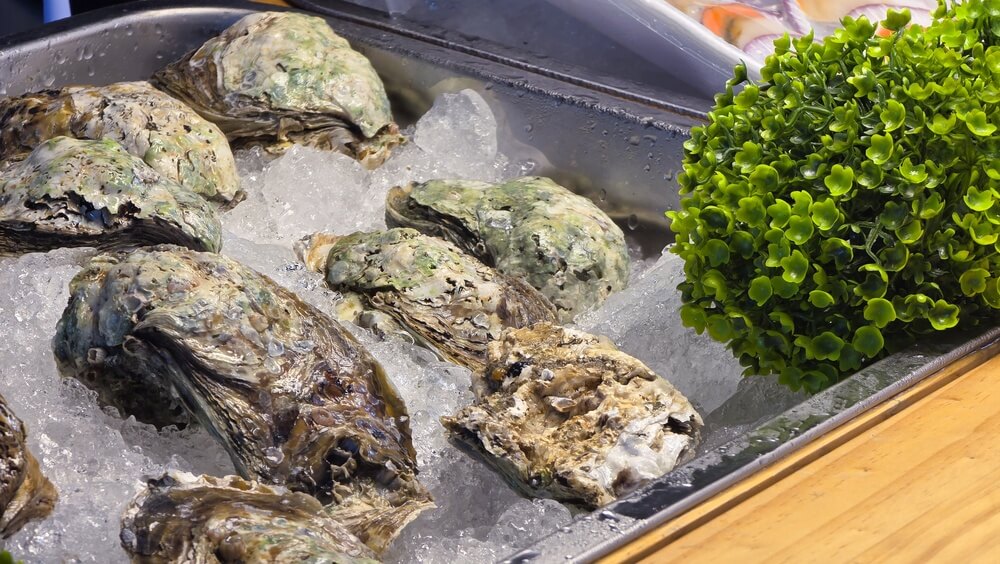
Maryland Oyster Season Is Here: How to Buy, Shuck, and Serve Chesapeake Oysters
Listen for the pop. That small, satisfying click when a knife finds the hinge and an oyster gives way is the sound of October in Southern Maryland. On the other side of it is a cold, briny mouthful of the Chesapeake, and maybe a pot of stew or a pan of Thanksgiving dressing that somebody in your family insists on every year.
The timing couldn’t be better. Maryland’s most recent fall survey found the best crop of young oysters in almost three decades. Here’s a practical guide for regulars and first-timers alike: when the season opens, how to pick and open a good oyster, and the dishes that make Maryland oysters worth the wait.
When Is Oyster Season in Maryland?
October 1 through March 31. That’s Maryland’s public oyster season. Hand tongers, patent tongers, and divers start on October 1, and power and sail dredgers follow on November 1. Recreational harvesters may take up to 100 oysters per person per day, Monday through Saturday, between sunrise and noon.
- Season: October 1 through March 31 for the wild harvest.
- Dredge boats: Power and sail dredging opens November 1.
- Minimum size: Wild oysters must measure at least 3 inches.
- Recreational limit: 100 oysters per person, per day, Monday through Saturday.
The Maryland Department of Natural Resources kept the same seasons and daily limits for 2026–2027; see the 2026–2027 commercial oyster rules. If you harvest your own, sanctuaries, aquaculture leases, and areas closed by the Maryland Department of the Environment are off-limits, so check DNR’s current notices first. Farm-raised oysters keep a different calendar: Maryland oyster farmers work their own leased bottom, so their oysters reach market year-round.
Does the “R Month” Rule Still Matter?
Not the way it once did. The habit of eating oysters only in “R” months began before refrigeration, when summer heat spoiled shellfish fast. Modern cold-chain handling makes it far less important, though cold-water months still bring the firmest, saltiest oysters and line up with Maryland’s wild harvest.
Why Is This Such a Good Year for Chesapeake Oysters?
Reproduction hit its strongest level since 1997. Maryland’s fall 2025 survey averaged 250 young oysters, called spat, per bushel of shell, close to six times the long-term average of about 42. Oyster biomass reached its highest point in the 33 years the state has tracked it, and disease levels ranked among the lowest on record.
- Strong spatfall: 250 spat per bushel, the highest since 1997.
- Biomass high: The most oyster biomass in 33 years of state estimates.
- Local hotspot: The St. Marys River sanctuary topped 2,100 spat per bushel.
Those results, which the Governor’s office released in March 2026, reflect years of restoration work, including initial restoration of five large tributary sanctuaries. One of the survey’s standout sites sits right next door: the St. Marys River sanctuary in St. Mary’s County.
A thriving Bay doesn’t always mean a good year for the people who work it, though. Maryland watermen faced soft prices and weak demand last season, so buying local oysters is a simple way to support the families who still make their living on the water.
What Do Chesapeake Oysters Taste Like?
Plump, mild, and gently briny, with a flavor that depends on where the oyster grew. Oysters from the saltier lower Bay and Tangier Sound taste brinier and sharper. Those from fresher water up the tributaries lean sweet and buttery. Oyster fans call this local character “merroir,” the seafood answer to wine’s terroir.
- Lower Bay: Bold brine and a crisp finish.
- Mid-Bay and Patuxent: Balanced salt with a sweet middle.
- Upper tributaries: Mild, creamy, and buttery.
- Wild vs. farmed: Wild shells run larger; farmed shells are smaller and cleaner.
All of these oysters are the same species, the eastern oyster (Crassostrea virginica). The differences come from the water: salinity drops as you head north up the Bay and into the rivers, so two oysters harvested an hour apart by boat can taste distinctly different. That mild, gentle flavor also holds up beautifully to butter, cream, and breadcrumbs.
How Do You Pick Fresh Oysters at the Seafood Counter?
Start with the shells. Good oysters are tightly closed or snap shut when tapped, feel heavy for their size, and smell clean and briny like the sea. Skip any with cracks or breaks. Then ask to see the shellfish tag, which records where and when the oysters were harvested and confirms they came through certified channels.
- Closed shells: A live oyster stays shut or closes quickly when tapped.
- Heavy for their size: Weight means the oyster is still holding its liquor.
- Clean smell: Fresh oysters smell like sea air, never sour or fishy.
- Intact shells: Pass on any with chips, cracks, or gaps.
- The tag: Certified shellfish carry a harvest tag showing where and when they were harvested.
Weight matters because a healthy oyster seals itself around its own juice, the liquor, which keeps the meat plump; a light oyster may be weak or dead. The tag matters, too. Live shellfish sold in the U.S. ship with a tag listing the harvest area, harvest date, and shipper’s certification number, and retailers must keep those tags for 90 days after the container is emptied. The FDA’s seafood safety guidance recommends the same tap test and says to discard oysters with broken shells. Our team at Nick’s is glad to talk through this week’s oyster availability and how many you’ll need.
Should You Buy Shell Oysters or Shucked Pints?
It depends on the dish. Live oysters in the shell are the right call for raw bars, roasting, and grilling, where presentation and fresh liquor matter most. Shucked oysters in pint or quart containers work best for stew, frying, casseroles, and dressing. Shucked oysters are sold by size grade, and Standard and Select are the grades stores carry most often.
- Standard: 240 to 400 oysters per gallon. Small, and ideal for stew and dressing.
- Select: 190 to 239 per gallon. A versatile middle size that fries well.
- Extra Select: 160 to 189 per gallon. Meaty and great for frying or baking.
- Count: Fewer than 160 per gallon. The largest shucked oysters.
One tip for shucked oysters: pour slowly. Sand or bits of shell can settle at the bottom, so leave the last splash of liquid behind. Keep the rest of that milky liquor, though, because it’s full of flavor for stew and dressing. For more on grades and selection, see the Maryland Department of Agriculture’s Maryland’s Best oyster buying guide.
How Should You Store Oysters at Home?
Cold, damp, and able to breathe. Set live oysters cup side down in an open bowl or tray in the refrigerator and cover them with a damp towel. Never seal them in an airtight bag or soak them in fresh water, since either will kill them. Eat them within a day or two, and keep shucked oysters in their liquor until the date on the container.
- Do keep them at 40°F or below.
- Do store them cup side down so they hold their liquor.
- Do cover them with a damp towel.
- Don’t seal them in plastic.
- Don’t soak them in tap water.
Before shucking, toss any oyster that has opened and won’t close when tapped. When in doubt, throw it out.
How Do You Shuck an Oyster Safely?
Hold the oyster cup side down in a folded towel or a cut-resistant glove. Work the tip of an oyster knife into the hinge and twist until it pops. Slide the blade along the top shell to cut the adductor muscle, then loosen the meat from the bottom shell, saving as much liquor as you can.
- Scrub the shells. Rinse under cold running water and brush away mud and grit.
- Protect your hand. Wrap the hand holding the oyster in a thick folded towel, or wear a cut-resistant glove.
- Position the oyster. Set it cup side down and flat side up, with the pointed hinge facing you.
- Find the hinge. Work the knife tip into the gap at the hinge with a gentle rocking motion.
- Twist to pop. Turn the knife like a key until the hinge gives.
- Cut the top muscle. Slide the blade along the inside of the top shell to cut the adductor muscle, then lift the top shell away.
- Free the meat. Slip the knife under the oyster to release it, keeping it level to save the liquor.
Use a real oyster knife with a dull edge and a sturdy guard. Paring knives and screwdrivers snap and slip, and that’s how most shucking injuries happen. Nervous about your first dozen? Set the oysters on a hot grill or in a 450°F oven for a few minutes, just until the shells open slightly, and the top shell will lift off with almost no effort. These oysters are only lightly warmed, not fully cooked, so guests in higher-risk groups should cook theirs completely.
How Many Oysters Do You Need Per Person?
For a mixed appetizer spread, about six oysters per guest is plenty. Dedicated oyster lovers at a raw bar or roast will happily eat a dozen or more. Cooked dishes like stew and dressing are measured by the pint, so follow your recipe. During the holidays, order ahead, since demand jumps and certain sizes sell out quickly.
- Cocktail party appetizer: About 6 oysters per guest.
- Raw bar centerpiece: 12 or more per oyster lover.
- Oyster stew: Most family recipes use 1 to 2 pints for a pot that feeds four to six.
- Thanksgiving oyster dressing: A pint usually fills a standard 9×13 pan.
Feeding a crowd at Thanksgiving or on Christmas Eve? Call ahead to talk with our team about quantities and timing, and grab a few extra to cover the odd broken shell or stubborn hinge.
What Are the Best Ways to Serve Chesapeake Oysters?
Raw on the half shell is the classic: crushed ice, lemon, cocktail sauce, and a sharp mignonette. Maryland cooks have plenty of other favorites, too, including fried oysters, creamy oyster stew, scalloped oysters, grilled oysters with garlic butter, and holiday oyster dressing. Mild Bay oysters pair equally well with rich butter and bright, tangy toppings.
- On the half shell: Over crushed ice with lemon, cocktail sauce, and a mignonette of minced shallot, black pepper, and red wine vinegar.
- Grilled: Topped with garlic butter and Nick’s signature seasonings until the edges curl.
- Fried: Dredged in seasoned cornmeal or cracker meal and fried until golden, then piled on a soft roll.
- Oyster stew: Gently poached in butter, milk, cream, and the oysters’ own liquor.
- Scalloped oysters: Layered with buttery cracker crumbs and cream, then baked.
With cooked oysters, less heat is more. The second the edges start to curl, they’re done; push further, and they shrink into rubbery knots. That’s why good oyster stew never boils: warm the milk and cream first, add the oysters and their liquor at the end, and pull the pot as soon as they plump.
How Do You Make Oyster Dressing with Encore Sausage?
Few Chesapeake Thanksgiving tables go without it. Brown Encore Fully Cooked Breakfast Sausage with onion and celery, then fold in cubed bread, chopped shucked oysters, and some of their liquor. Moisten everything with stock and bake until the top turns golden. The savory pork balances the oysters’ brine for a rich, unmistakably Maryland side dish.
- Brown the sausage. Chop a package of Encore Fully Cooked Breakfast Sausage and brown it in butter with diced onion and celery.
- Add the bread. Toss everything with cubed day-old bread, fresh parsley, sage, and black pepper.
- Fold in the oysters. Add a pint of drained, chopped shucked oysters.
- Moisten. Pour in a mix of the reserved oyster liquor and chicken stock until the bread is evenly damp.
- Bake. Spread it in a buttered 9×13 dish and bake at 350°F for about 40 to 45 minutes, until golden and crisp on top.
Encore Sausage is made in Landover, Maryland, by the same Ferrante family that started Nick’s, with more than three generations of sausage-making experience behind it. Because the breakfast sausage arrives fully cooked, a quick browning is all it needs, which is one less job on the busiest cooking day of the year. Give us a taste. For a bigger spread, Nick’s catering department can help plan the rest of your holiday menu.
Are Raw Oysters Safe to Eat?
For most healthy adults, raw oysters from reputable, tagged sources cause no trouble. Raw shellfish always carries some risk, however, from naturally occurring bacteria such as Vibrio. People with liver disease, diabetes, cancer, or a weakened immune system should only eat oysters that are fully cooked to an internal temperature of 145°F.
- Higher-risk groups: People with liver disease, cancer, diabetes, HIV, or thalassemia; anyone receiving immune-suppressing treatment or taking medicine to reduce stomach acid; and anyone who has recently had stomach surgery.
- Cooking works: Oysters should reach 145°F.
- Myths don’t: Hot sauce, lemon juice, and alcohol won’t kill bacteria.
- Toss the stubborn ones: Discard any oysters that don’t open during cooking.
Vibrio lives naturally in coastal waters and thrives when the water is warm. Oysters pick it up as they filter-feed. The CDC estimates that about 80,000 people in the U.S. get vibriosis each year, most of them from raw or undercooked shellfish. Because the bacteria favor warm water, Maryland’s cold-month wild season is a lower-risk time to eat oysters, and thorough cooking eliminates the bacteria. Unsure where you stand? Talk with your doctor and stick to cooked oysters, which deliver every bit of that Chesapeake flavor.
What Drinks Pair Best with Oysters?
Something crisp. High-acid whites such as Muscadet, Chablis, and Sauvignon Blanc are the classic match for raw oysters, and dry sparkling wine brings a sense of occasion. Beer drinkers tend to reach for a dry Irish stout or a clean pilsner. For richer cooked dishes like stew and dressing, try a lightly oaked Chardonnay.
- Muscadet: Crisp and mineral.
- Chablis: Unoaked Chardonnay with a flinty finish.
- Sauvignon Blanc: Bright citrus, like a squeeze of lemon.
- Dry sparkling wine: Bubbles that cut through richness.
- Dry Irish stout: A roasty pub classic.
Big, oaky wines and hoppy beers tend to steamroll an oyster’s delicate flavor, so keep it crisp and light. Nick’s spirits department stocks domestic and imported wines, beers, and spirits, so the oysters, sides, and drinks can all come home in one trip.
Where Can You Celebrate Oyster Season in Southern Maryland?
Leonardtown, this October 17–18, 2026. The St. Mary’s County Fairgrounds hosts the 60th annual U.S. Oyster Festival, home of the U.S. Oyster Shucking Championship. There, the country’s fastest shuckers compete for the national title and a chance to represent the United States at the World Oyster Opening Championship in Galway, Ireland.
- When: October 17–18, 2026.
- Where: St. Mary’s County Fairgrounds, Leonardtown.
- Highlight: The U.S. Oyster Shucking Championship.
It’s an easy drive south from Waldorf down Route 5. Schedules and tickets are on the St. Mary’s County tourism site.
Where Can You Buy Chesapeake Oysters Near Waldorf?
- Nick’s of Clinton: Gateway Plaza, 3953 St. Charles Parkway, Waldorf, MD 20602 · (301) 843-4825
- Encore Sausage: 3137 Pennsy Drive, Landover, MD · (301) 322-2242
Nick Ferrante Sr. came to America from Castel Frentano, Italy, at 13 and built a neighborhood grocery around quality and personal attention. More than 50 years and three generations later, his family still runs Nick’s as a hometown store where service is never an afterthought.
Come see us at Nick’s of Clinton to ask about seafood availability, stock up for your raw bar or oyster dressing, and pick out the right bottle before you leave. Our store and deli are open Sunday 9:00 am to 5:00 pm, Monday through Wednesday 10:00 am to 7:00 pm, Thursday and Friday 10:00 am to 8:00 pm, and Saturday 9:00 am to 8:00 pm. For holiday orders and quantities, call ahead at (301) 843-4825.
Frequently Asked Questions
When does Maryland oyster season start and end?
The wild season runs October 1 through March 31, with dredging opening November 1. Farm-raised Maryland oysters are sold year-round.
How long do live oysters last in the refrigerator?
They taste best within a day or two, stored at 40°F or below, cup side down under a damp towel.
What’s the difference between Standard and Select shucked oysters?
Size, measured by how many oysters fill a gallon. Standards run 240 to 400 per gallon and suit stew and dressing. Selects are larger, at 190 to 239 per gallon, and are a popular pick for frying.
Do I need a license to harvest oysters recreationally in Maryland?
The daily limit is 100 oysters, Monday through Saturday, sunrise to noon. Licensing, gear, and open-area rules can change, so check the Maryland Department of Natural Resources’ current notices before heading out.
What should I do if an oyster doesn’t open when cooked?
Throw it out. The FDA advises discarding any shellfish that don’t open during cooking.


Leave a Reply
Want to join the discussion?Feel free to contribute!